The world's most popular and delicious foods came from accidental discoveries rather than intentional creation by culinary experts. Throughout history, various foods evolved into permanent dining options starting with bread and continuing through chocolate chip cookies, which chefs created from accidental culinary errors. The list includes well-known food items that emerged from unplanned circumstances.
12 Most Popular Foods That Were Invented by Accident
Puff Pastry Invention
Jump to 17th-century France. A baker named Claude Gellée (some say Physalis) has a dying dad who can't stomach much. Doc says stick to butter, flour, and water. Son thinks, "Bread it is." But he folds cold butter slabs into the dough—fold, turn, and fold again. Like 27 times. Practical move for softness. Slides it in the oven. What puffs out? A monster of 729 flaky layers (math says so). Steam trapped between butter sheets. Game over for flat bread. Now it's the soul of every croissant.
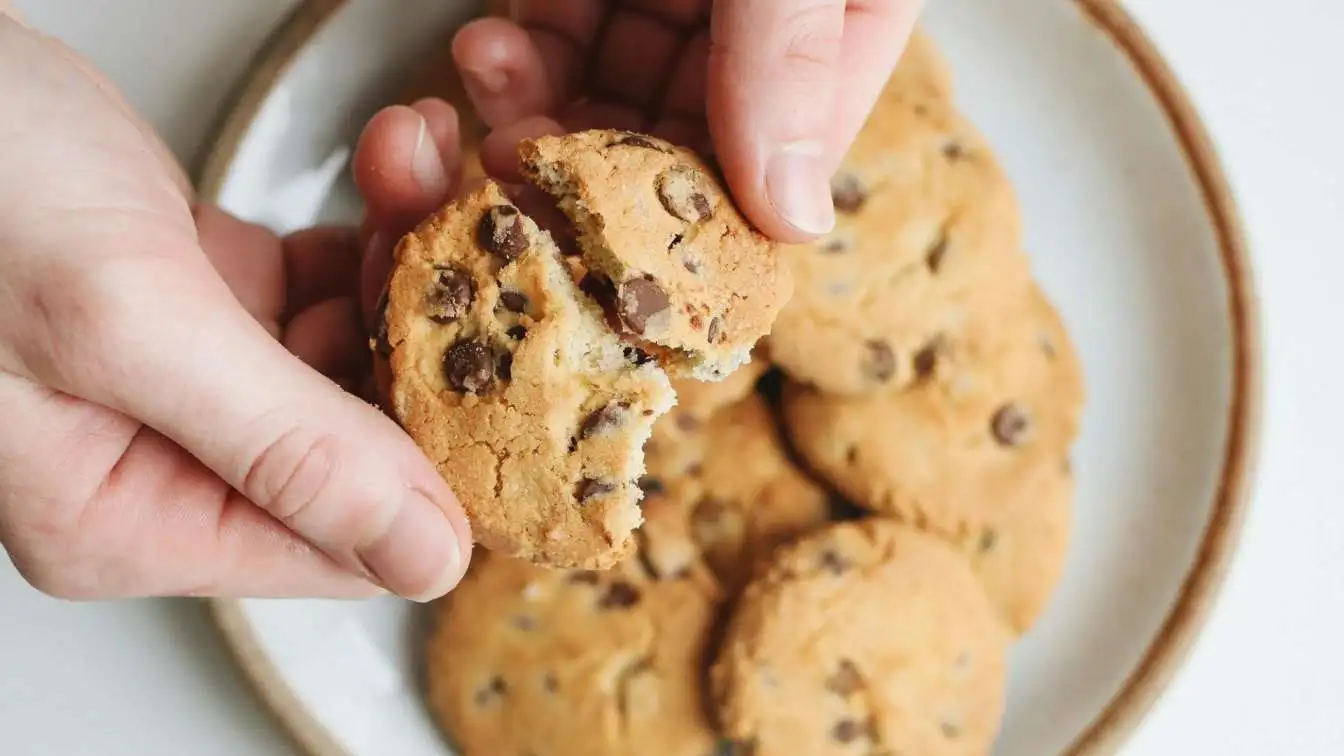
Chocolate Chip Cookie Origin Story
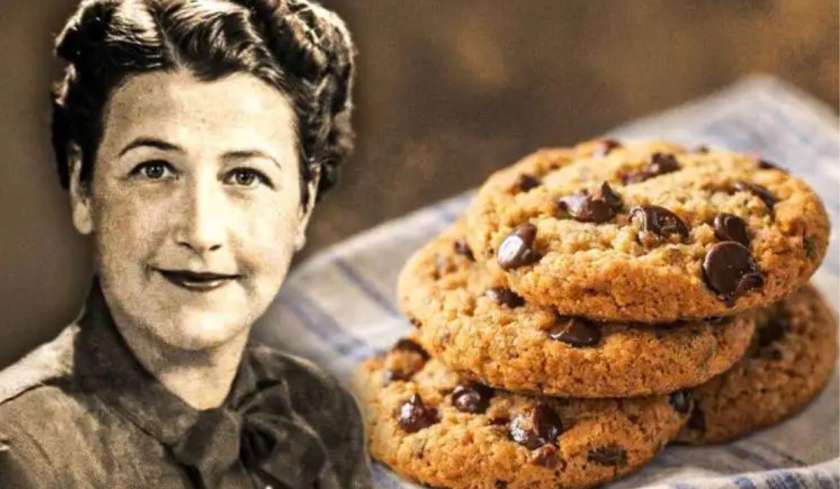
1938, Toll House Inn, Massachusetts. Ruth Wakefield's baking her butterscotch nut cookies for guests. Semi-sweet Nestlé bar nearby, she hacks it into bits, tosses 'em in. Figured heat would melt it into chocolate dough. Wrong. Chips hold their shape and go gooey inside. Diners freak. Ruth calls Nestlé; they print her recipe on bars and give her a lifetime supply. By 1939, it's everywhere. Toll House still slings 'em.
Tarte Tatin's Upside-Down Magic
Late 1800s, Lamotte-Beuvron, France. The Tatin sisters run a hotel. Stéphanie's prepping an apple tart—sugar, butter, and apples in a pan. Overheats 'em to caramel goo. Realizes no bottom crust. Heart attack? Nope. Grabs pastry, slaps it on top like a lid. Whole pan in oven for 45 minutes. Flips onto plate—pastry bottom, apples glistening. Guests devour. Word spreads; pros copy it.
Bread: Humanity's First "Oops"
Neolithic, 10,000+ BC. Early farmers grind wild grains (emmer wheat and barley) and mix them with water into a paste. Leave the bowl out overnight. Wild yeast spores float in and ferment sugars to CO₂.. Baking on hot stones rises porous and chewy. Beats dense mush. Spreads from Egypt to everywhere. Flatbread evolves to sourdough.
Yogurt's Spoiled Milk Miracle
Around 6000 BC, Middle East. Nomads milk sheep, goats, and cows into clay pots or stomachs. Heat and bacteria (Lactobacillus) sour it overnight. Curds form and whey drains. Lasts weeks in the desert. It tastes sharp; probiotics settle upset stomachs. Turks name it "yoğurt." Spreads via Silk Road.
Beer's Ancient Buzz
Neolithic Sumeria, 7000 BC. Grain farmers make barley porridge for soup. Sitting warm, wild yeast and bacteria ferment starches to alcohol. Bubbles smells funky-sweet. One sip? Euphoric haze. Safer than dirty water too—boiling kills bugs. The Code of Hammurabi even rations it.
Tofu's Soy Surprise
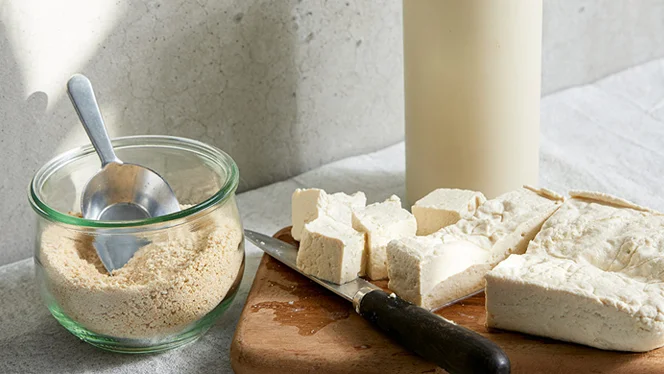
Western Han Dynasty, 206 BC-9 AD, China. Legend: Liu A random cook boils soybeans to milk and adds nigari (seawater magnesium chloride). Coagulates into white curds. Press and drain the silky tofu. Cheap protein for peasants. Spreads to Japan as "tofu" by the 8th century.
Corn Flakes Breakfast Breakthrough
1894 Battle Creek Sanitarium. Dr. John Kellogg and brother Will test bland foods for gut health. Cook wheat batter; forget overnight—it stales hard. Try rolling: shatters into flakes. Toast 'em golden. Switch to corn—crunchy, sweet-ish. Will, who adds sugar later, starts Kellogg's empire.
You may also read :- Gluten Sweet Treats: Delicious Indulgences Without the Gluten Guilt
Brownies: The Flat Cake Fail
1893 Palmer House Hotel, Chicago World's Fair. Chef accidentally leaves out baking powder from chocolate cake. The batter bakes low, dense, and walnut-flecked. Bertha Palmer commissions them for ladies—fudgy and portable. The recipe lives on hotel menus.
Cheese: Gut Pouch Hack
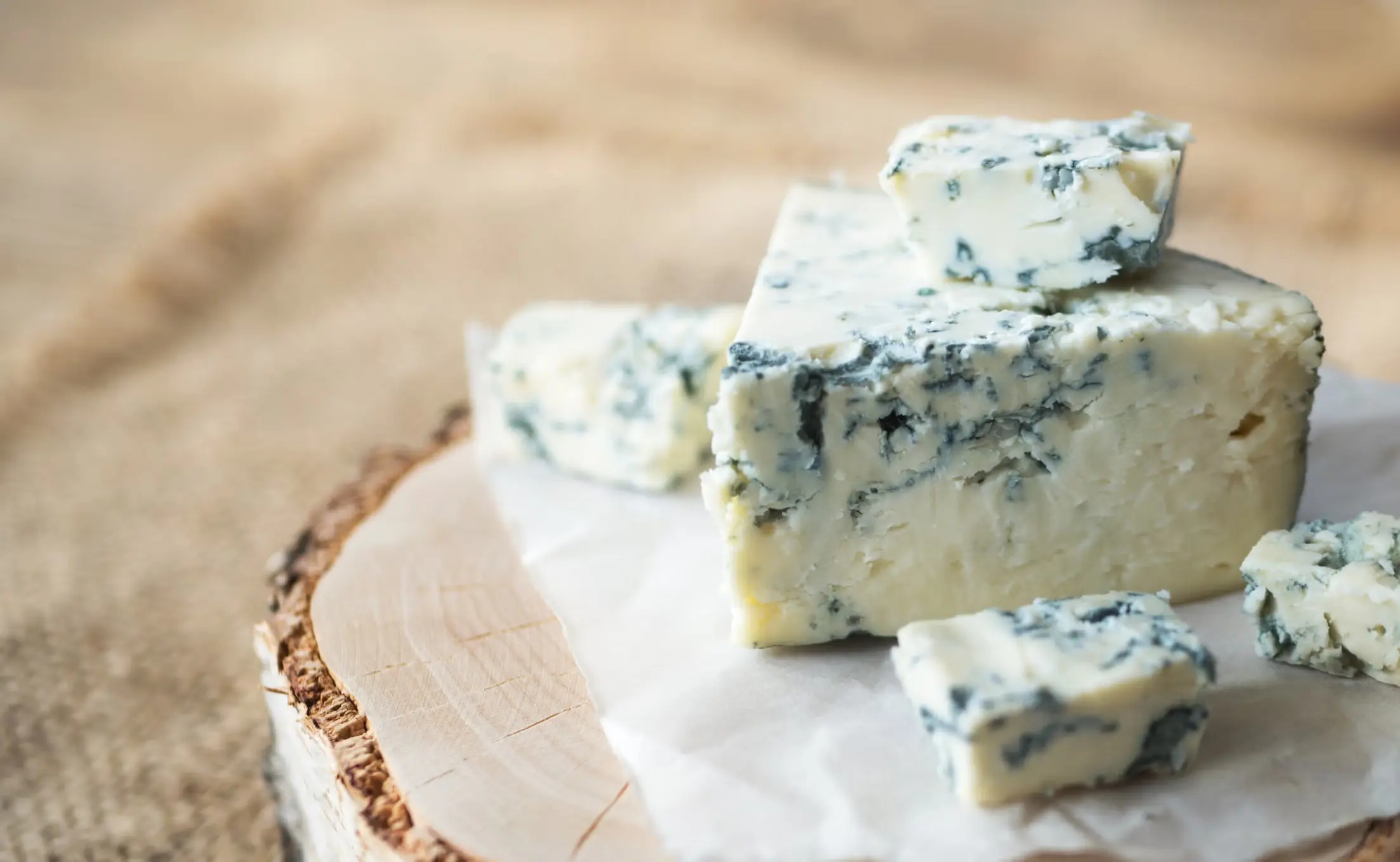
6000 BC, Central Asia. Herders carry milk in calf stomachs—rennet enzyme + bacteria curdle it en route. Whey separates; solids age flavorfully. Harder than yogurt, stores for months. Romans spread 300+ types.
Crepes Suzette Flame Drama
1895 Café de Paris, Monte Carlo. 16-year-old Henri Charpentier serves the Prince of Wales (future Edward VII). Flambés orange liqueur sauce tableside—splashes it on crepes. Ignites blue flames. The prince laughs and insists on tasting. Names for teen server Suzette. Recipe: thin pancakes, butter, curaçao, and zest.
Granny Smith Apples' Wild Cross
An unintended genetic change developed green apples from red ones. The story goes that a gardener by the name of Marie Ann Smith in Australia discovered a wild seedling that produced green apples while she was in the same location where she had disposed of defective seedlings. The apple variety she discovered from the seeds became her preferred choice after she cultivated them.