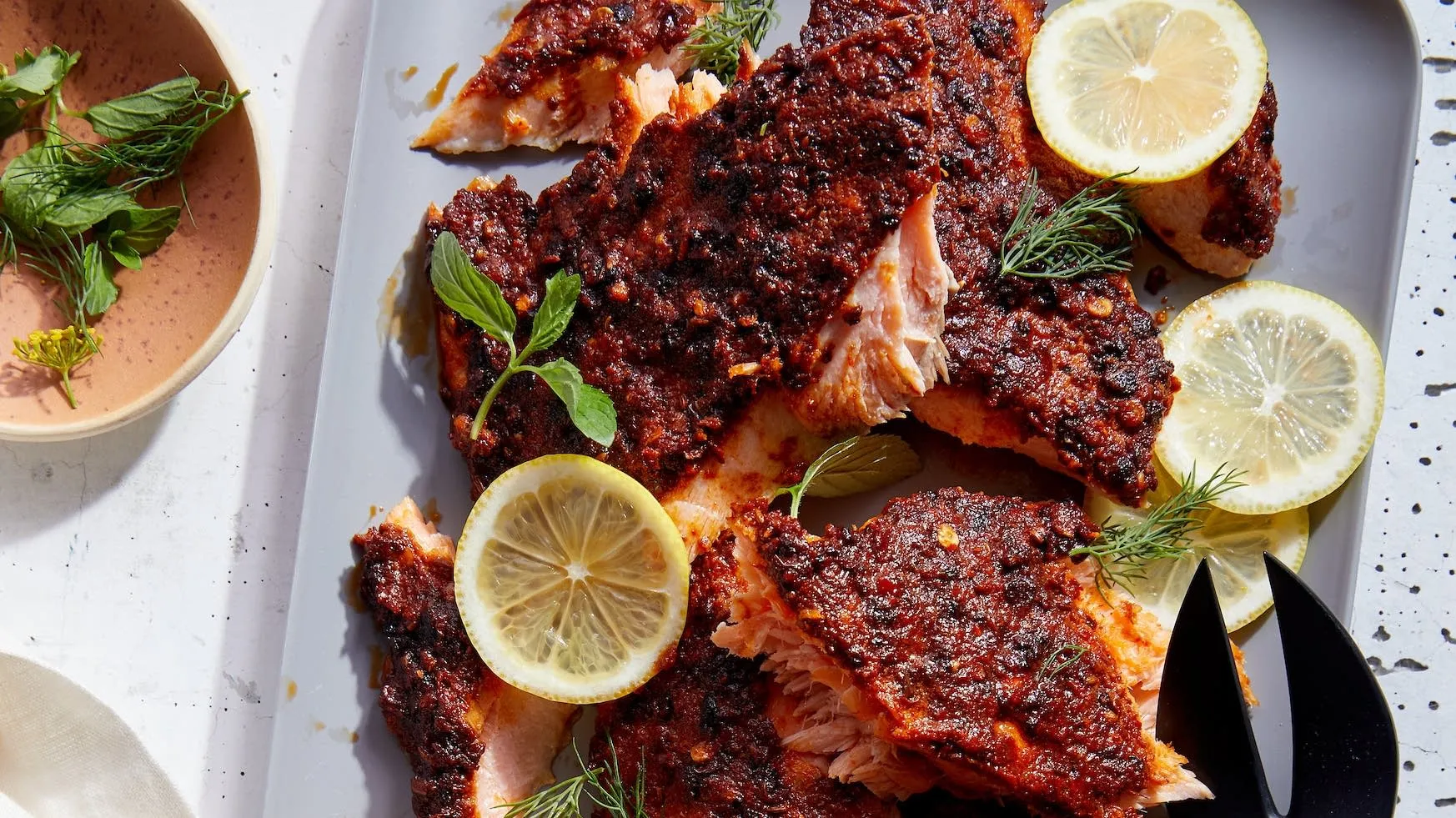
I still remember the first time I made Slow Roasted Harissa Salmon. It was a Tuesday night and I was tired. I didn’t want a complicated meal, but I also didn’t want bland, boring chicken. I opened my fridge, saw a beautiful side of salmon, and a jar of that vibrant, red harissa paste. I figured, why not? I mixed it with some oil, spread it on the fish, and put it in a low oven.
About 40 minutes later, I pulled out the most incredible dish I had ever made at home. The fish was buttery, the spices were deep and smoky, and it literally fell apart at the touch of a fork. That night changed everything. I realized that you don't need to be a professional chef to create a stunning, flavorful and impressive centerpiece. You just need this recipe for Slow Roasted Harissa Salmon.
What Exactly is Slow Roasted Harissa Salmon?
Let’s break it down simply. Slow Roasted Harissa Salmon is a dish in which a whole side of salmon is roasted in a very low oven, typically between 250 o C and 275 o C, after it has been smeared in a mixture of harissa paste, olive oil, and garlic. The "slow" part is key. We do not blast it with high heat that would result in it drying and becoming hard, instead we operate on it with gentle heat in order to slowly coax the natural fats out.
It is more a way of poaching the salmon in olive oil, except in the dry heat of the oven. The result? The fish becomes meltingly soft. The salmon is almost impossible to over cook, so it is a big score to anyone who becomes afraid of seafood. Its harissa marinade creates a slightly sticky, immensely delicious coating all over and the interior remains juicy and moist. It is an infallible method of preparing a gorgeous supper.
You may also read :- Crispy Chinese Baked Chicken Wings Recipe
Why Harissa is the Star of the Show?
And in case you have not encountered harissa in your life, then you should get acquainted with your new staple. Harissa is a hot, smoky and fragrant chili paste originating in North Africa, namely Tunisia. It’s not just about heat. It contains strata of taste due to the use of such ingredients as roasted red peppers, caraway seeds, cumin and garlic.
This compound paste mixed with the fatty fresh salmon is magical. The salmon is coated with spices that form a deep savory crust and the fish itself balances out the spice, making it the best combination. This lovely ballet of the smoky paste of the bold and the buttery, tender fish. Frankly speaking, it is a heaven-made match.
The Foolproof Science of Low and Slow
What is so nice about roasting it at such a low temperature? It is just a matter of the fat and protein content of the fish. Salmon is rich in fats and fine proteins. By cooking it at a high temperature (such as 400oF or grilling) the proteins shrink and spurt out all that valuable moisture and fat. That is the way you get dry chalky fish.
But when you cook it low and slow:
- Gentle Cooking: The heat is very mild such that the proteins denature (cook) gradually without violently shaking.
- Moisture Retention The fish retains its natural juices. It basically cooks in its goodness and the spiced olive oil.
- Buttery Texture: The fat melts slowly basting the fish both inside and out. This makes that melt in your mouth consistency that people are mad about.
Though the seasoning is daring, as chef/author Christine Sahadi Whelan points out, it is not an overly hot dish, since the fatty fish exerts such a pleasant balancing influence over the spices. It is actually a restaurant food, but prepared at home just like a simple meal.
Ingredients for the Perfect Harissa Salmon
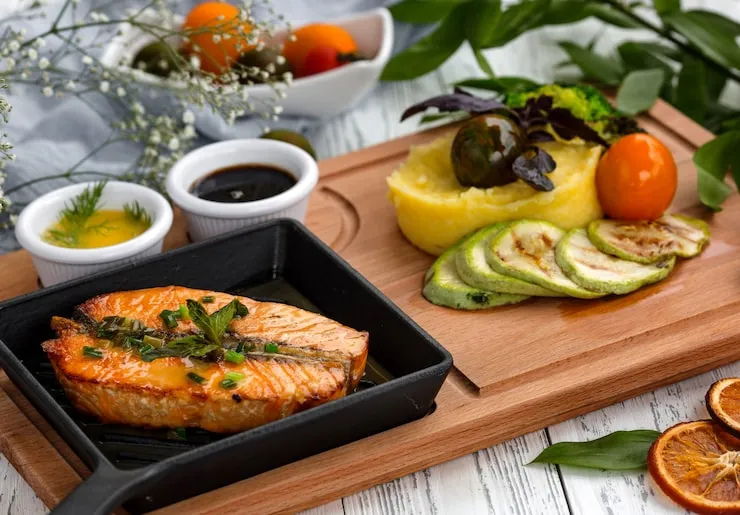
The fact that the shopping list is short and simple is one of the things I enjoy about this recipe. All you have to do is add a few good ingredients to make something spectacular. This is my recipe book when it comes to a 2-pound fillet and serves around 4-6 individuals:
- The Fish: 1 (2-pound) center cut salmon fillet. I use skin-on in this recipe because it is useful in keeping the fish together, although you can also use skinless.
- The Spice: 1/4 of a cup of harissa paste. This is the soul of the dish. Find it in any international aisle of your grocery store or in the Middle Eastern markets.
- The Fat: 1/4 cup of extra-virgin olive oil. Don't skimp here! High quality oil provides richness and aids in the conduction of the heat in a gentle manner.
- The Aromatics: 1- 2 pieces of garlic grated or minced.
- The Brightness: 1 lemon, sliced into thin slices, and some to juice it at the end.
- The Seasoning: 1 teaspoon of kosher salt.
- The Garnish ( optional but most preferable ) A sprinkling of fresh herbs such as parsley, dill, cilantro or chives.
Choosing the Best Salmon for Roasting
I never fail to say to my friends, your food is as good as what you add to it. This recipe is very easy and therefore allow the fish market to lead you. In slow roasted salmon, I seek the following things:
- Center-Cut: Order a center-cut fillet. That is the thickest part of the fish and it will even cook evenly providing you with that nice even texture.
- Wild vs. Farmed: I’ve used both. Wild salmon (such as Sockeye or Coho) is less fatty and quicker to cook. Salmon that is reared in the farm is also richer in fats and therefore even more forgiving and buttery to this technique. Both work beautifully! All you have to do is to make changes in your cooking time.
- Fresh Smell: It is expected to smell oceanic, not fishy. The skin is to be shiny and sticky.
Step-by-Step Guide to My Slow Roasted Harissa Salmon
Okay, let's get cooking! This is the easiest part. I swear you, when you can stir things in a bowl, and put on an oven, you can make this.
Preparing the Harissa Marinade
First, preheat your oven to 275°F (135°C) . This is the magic number .
I mix the 1/4 cup harissa paste, 1/4 cup olive oil, and the grated garlic together in a small bowl till it is thoroughly mixed. I also put a pinch of salt and pepper to the marinade at times. I allowed it a minute to allow the flavours to become acquainted.
Prepping the Salmon
Take your salmon fillet, and dry it thoroughly with paper towels. This is a crucial step! When the fish is damp, the marinade will not adhere so much and you will not get that delicious crust. The salmon can be put in a baking dish or roasting pan that is slightly bigger than the fillet. You do not want it boiled in a big pan.
The Roasting Process
- Coat the Dish: Squeeze approximately 50 percent of your harissa oil mix in the base of the dish and stir it around. This forms a small sauce bath of the fish.
- Season the Fish: Sprinkle the kosher salt on all the sides of the salmon.
- Add the Marinade: Sprinkle the salmon in the dish, skin-side down (marinade has skin). Spoon the rest of the harissa blend over the top and with a spoon or a brush, spread evenly over all the flesh.
- Add the Lemon: Place the thin slices of lemon over the salmon. They will take a little caramelizing and add citrusy flavor into the fish.
- Roast: Place the dish on the oven and time it at 15 minutes.
- Baste: Discovery In 15 minutes carefully pull out dish. Take up with a spoon that beautiful red oil which is in the bottom and drizzle it directly over the salmon. It is referred to as basting and that develops the top not drying out and forms that flavor.
- Final Roasting: Place it in the oven again, this time another 10-25 minutes. This will depend on the thickness of the fish you have.
How to Know When It's Done?
Forget the rigid rules! Due to it being slow roasted, it is extremely forgiving. You want the fish to be only slightly undercooked. Here’s how I check:
- The Flake Test: Press the fattest section of the salmon with a fork or a spoon. When it starts to crack apart with little effort yet appears wet and somewhat translucent in the very centre then it is just right.
- The Temperature: You want a tender, medium doneness with an internal temperature of approximately 120 o C to 125 o C. And it shall cook a little more, it rests.
Serving Suggestions: What to Eat with Spicy Salmon
When it is in the oven, allow it to cool off (5-10 minutes). This is the last procedure in maintaining it juicy. And then we have the fun part: serving!
When I have a relaxed evening, I would prefer to use a spoon to chop the salmon into irregular shapes in the pan. It is rustic and beautiful looking. Then I heap it on a platter, and pour all them amazing pan juices all over it, and squeeze the half lemon left over on it. One last shower of herbs makes it look as though it cost a million bucks.
Easy and Delicious Side Dishes
This salmon is spicy and so flexible. It matches so well with so many things. My top choices to complete the meal include:
- Herby Grains: Couscous, quinoa, or farro are better as a bed to absorb the additional harissa oil. Add some fresh mint, parsley and a pinch of salt and toss the grains.
- Cool Yogurt: The smokey harissa is just the right match to the smoky coolness of the plain Greek yogurt in the form of a dollop or a dressing.
- Roasted Veggies: The oven is already heated, so grab some broccoli, cauliflower or carrots and drizzle them with olive oil and salt and roast them the remaining 20 minutes with the salmon.
- Fresh Salad: Green crisp salad with lemon vinaigrette provides freshness and brightness of crunch.
My Best Tips, Tricks and Leftover Ideas
I have over the years learned some little ideas with which this recipe can be improved. Hear the professionals, and see what I have done wrong!
- Marinate In Advance: You can combine the harissa and oil (without the garlic) up to 24 hours beforehand and allow it to rest at room temperature in order to bring the flavors out. You moreover can marinate the salmon and leave it in the refrigerator for a couple of hours and then roast it.
- Don’t Fear the Skin: When your salmon is skinned, be it so, do not attempt to peel it off before you cook it. It serves as a shield against the contagious. The fish will be roasted, then will fall right off of the skin with a spoon leaving the skin in a pan behind.
- Baste, Baste, Baste! The 15-minute mark of that one basting step is something I can not compromise. that forms that wonderful, sticky, delicious crust.
- Wild Salmon Caution: You should begin timing when you think the salmon is done at the two-decade mark when the fish is lean such as Sockeye. It might become perfect and overcooked within a short period of time than its farmed counterpart.
What to Do with Leftovers
Frankly speaking, one can call on a gift the leftovers of this dish. And they may even be improved to-morrow! It has a greater time to blend its flavors. Here’s how I use them up:
- Grain Bowls: It is my favorite move. Salmon. Sprinkle raw salmon on a bowl of warm quinoa or farro and a slice of avocado, cucumber, and a sprinkle of herbs. It’s the best lunch .
- Flaked Salmon Salad: Replace a sandwich of tuna with a sandwich of flaked salmon. Combine it with a small amount of mayonnaise or Greek yogurt, cut celery, and dill.
- Pasta: Toss flaked salmon into a warm pasta dish with a light cream sauce or the simple combination of olive oil, garlic and peas.
Conclusion
Whatever you may take away in this post, take this, namely, that, you have the ability to make something amazing to eat. It is not merely a recipe but a method of cooking fish that will be with you forever. It is pardoning, it is full of North African tastes, and it is made to seem like you had taken hours in the kitchen, yet it is the oven that is doing all the work.
The combination of the buttery texture of the salmon and the smoky, spicy kick of the harissa is truly unforgettable. Whether you serve it with herby couscous for a healthy dinner or break it up for a fancy salad, it’s always a winner. I hope you feel inspired to grab a side of salmon and that jar of harissa and give this a try. Trust the process, keep the temperature low, and get ready to enjoy the most tender, flavorful salmon of your life. Let me know how it turns out!
Frequently Asked Questions
I get asked a lot of questions about this recipe, especially from friends who are trying it for the first time. Here are the answers to the most common ones, based on my own experience.
Q: Can I use harissa powder instead of the paste?
A: You can, but the texture will be different. The recipe from The Splendid Table actually uses both for a "double dose" of flavor . If you only have the powder, mix it with the oil and let it sit for an hour to rehydrate. However, the paste gives you that thick, spreadable texture that creates the best crust.
Q: My oven runs hot. What temperature should I use?
A: If your oven runs hot, stick to 250°F instead of 275°F to be safe . The goal is gentle heat. You can also check the fish a little earlier than the recipe says to ensure it doesn't overcook.
Q: Is this spicy? Will my kids eat it?
A: This is a great question. The spiciness of harissa can vary by brand. However, as I mentioned earlier, the rich salmon really mellows out the heat . It becomes more of a warm, smoky flavor than a fiery kick. If you're serving it to kids or those sensitive to spice, serve it with a side of plain yogurt or a creamy sauce. The coolness balances the warmth perfectly.
Q: How do I store and reheat the salmon?
A: Store leftovers in an airtight container in the fridge for up to 3 days. The best way to reheat it is gently. I like to flake the cold salmon into salads or grain bowls. If you want it warm, put it in a low oven (300°F) for just 5-7 minutes, or enjoy it at room temperature, which is actually how it's traditionally served .