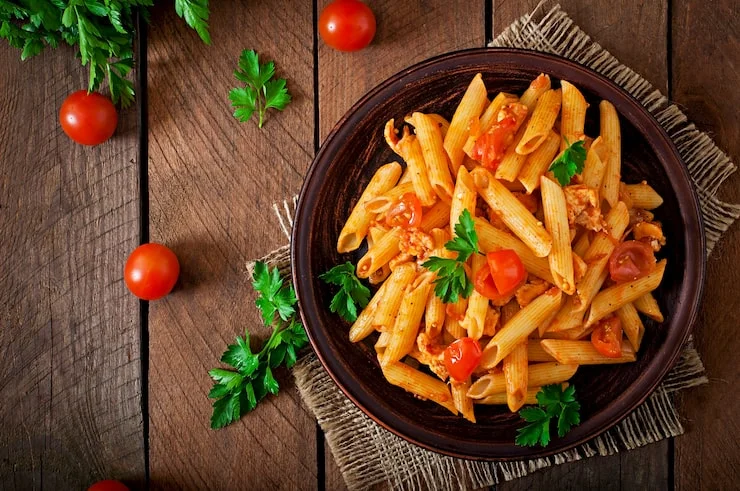
Break and simple pasta is a meal to most people. But in Italy it is something different. It is an intergenerational tradition. It is the heart of the family get-togethers. Making the true authentic italian pasta recipes is a matter of the appreciation of simple ingredients and ancient practices. It is not about being fancy. It is about being true.
Break and simple pasta is a meal to most people. But in Italy it is something different. It is an intergenerational tradition. It is the heart of the family get-togethers. Making the true Italian pasta recipes is a matter of the appreciation of simple ingredients and ancient practices. It is not about being fancy. It is about being true.
The Foundation: What Makes a Authentic Italian Pasta Recipes?
The Italian way of cooking is philosophical. It is referred to as cucina povera which translates as poor kitchen. This is not about being cheap. It is of being resourceful and astute. It is the ability to make exceptional taste out of the banal and quality ingredients. A traditional Italian pasta preparation tends not to contain more than five ingredients. All of them should be the best ones.
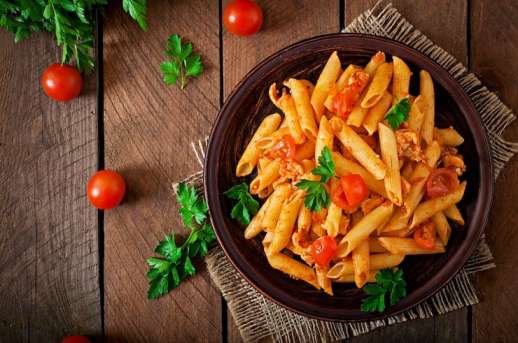
The focus is on regionality. Centuries ago Italy was a number of independent states. Due to that, each area possesses its unique specialities of pasta. Sicilian and Bolognese recipes will have little in common. It is this lovely diversity that makes the exploration of the real authentic italian pasta recipes so thrilling.
The Soul of the Dish: Ingredients Matter Most
Without a strong foundation you cannot construct a strong house. The same is true for pasta. The most significant step is to have high quality ingredients.
- Flour: The most popular pasta recipes in Italy are made with a very fine semolina or flour 00. It produces a tender, soft dough that is suitable in making egg pasta. Semolina flour is of durum wheat. It provides pasta with the rough texture and the yellow eye-catching color. It goes best with such shapes as orecchiette.
- Eggs or No Eggs? Fresh pasta is typically prepared using eggs in central Italy and northern Italy. Pasta in the south is normally prepared using only semolina and water. This makes it a cozier texture that is strong to bear full of tomato sauces or seafood.
- Water of life: To make dough without eggs, water has to be hot. It triggers the gluten of the flour. The necessary quantity of water required may vary. It is conditional on the humidity of your kitchen. The dough is to be non-sticky and smooth and firm.
You may also read :- Simple Fresh Egg Pasta Recipe at Home
The Art of the Dough: How to Make Pasta Dough from Scratch
It is a sensory and happy process of making pasta. It makes you associated with hundreds of cooks. The following is a simple recipe of a basic egg dough.
You will need:
- 2 cups (250g) 00 or all-purpose flour.
- 3 large eggs
- A pinch of salt
Steps to Perfect Dough:
- Prepare a Well: Heap the flour in a clean piece of wood. Enter a big hole in the middle (volcano). Crack the eggs into the hole.
- Slowly Vigorate: Add ultimately a fork to the eggs to beat gently. Begin gradually to draw up the flour on the sides of the well.
- Knead: When it becomes shaggy dough then knead it. Kneading 8-10 minutes till the dough is smooth and elastic. It must not adhere on your hands.
- Rest is Best: The dough is to be wrapped up in plastic wrap. Allow to stand at room temperature not less than 30 minutes. This makes the gluten soft hence the dough can be easily rolled out.
Shaping Your Pasta: From Sheets to Shapes
The dough is now ready to change after resting. It is possible to roll it by a hand rolling pin. Pasta machine simplifies this task and makes it more routine.
- Tagliatelle or Pappardelle Prepare dough into thin sheets. Prepare flour dust, lengthwise roll dust and cut across roll to make a ribbon of your desired width.
- In the case of Stuffed Pasta such as Ravioli Roll out two thin sheets. Put on one sheet small heaps of filling. Brush around them with water. Lay the second sheet on top. Seal each mounds of fillings with fingers. Cut into squares.
- Orecchiette: This is a water-only dough used in making handmade shapes of pasta. Take small pieces of dough. Roll them into ropes. Cut into small pieces. Using your thumb, put a dime size of each piece to form the traditional little ear.
Iconic and Easy Authentic Italian Pasta Recipes
We are going to apply this knowledge to two popular traditional pastas.
Ancient Roman Classic Spaghetti alla Carbonara
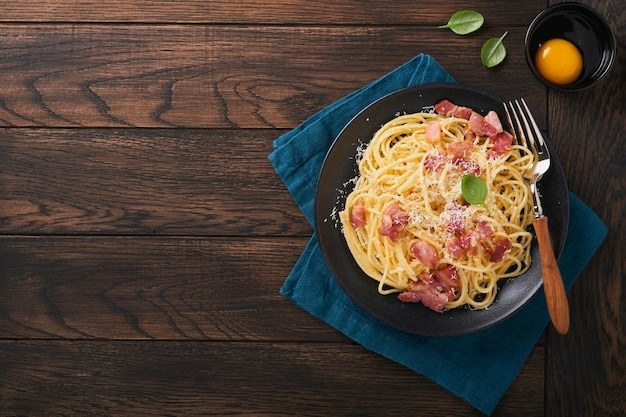
It is a recipe of simplicity. No cream is used in true Roman recipes of pasta. Pasta water, cheese and eggs are used to make the sauce.
Ingredients:
- 1 lb (450g) spaghetti
- 4 ounces (115g) guanciale (or pancetta) cut into dices.
- 3 large eggs
- 1 cup (100g) grated Pecorino Romano cheese.
- Black pepper which has been cracked fresh.
Method:
- Boil the pasta in water with a lot of salt.
- Saute the guanciale until crispy, when it is cooking. Turn off the heat.
- In a bowl, beat the eggs, the cheese and a good deal of pepper.
- Put aside a cup of starchy pasta water and drain.
- In a flash, the hot pasta is thrown in the pan with the guanciale. Remove from heat.
Pour the pasta with the egg mixture. Stir quickly, and then splash in a little pasta water till the sauce is creamy and silky. The eggs will be cooked as a result of the heat of the pasta. Serve immediately.
Mastering a Simple Tomato Sauce: Pomodoro Perfection
Luscious fresh tomato pasta sauce is a key competence. It takes only a handful of ingredients and large proportions.
Ingredients:
- 1 pound (450g) fine spaghetti or rigatoni.
- 28 Oz (800g) cans whole canned San Marzano tomatoes.
- 1 small onion, peeled and halfed.
- 4 tablespoons butter
- Salt to taste
- Fresh basil leaves
Method:
- Add tomatoes, onion, butter and pinch of salt to a pot.
- Gently brush so, naked, per 45 minutes. Shake every now and then mashing the tomatoes with a spoon.
- Remove and discard the onion. Add fresh basil leaves and stir.
- Add the sauce to your cooked pasta, and a splash of pasta water to aid in coating it. This is what makes the simple Italian pasta meals.
The Golden Rules: Cooking and Saucing Pasta Like an Italian
The ingredients are not the only important elements. These are the rules of doing things to achieve great results.
- Put Salt in Liberal measures: the water must taste like the sea. This bakes the pasta both internally and externally.
- Do NOT pour oil to the water: it will make the pasta greasy. The sauce will not stick to it.
- Reserve Pasta Water: This is the water that is clear and starchy, which is taken before it is drained. It is their secret ingredient in the preparation of sauces that make them smooth and enable them adhere to the pasta.
- Finish Pasta in the Sauce: The pasta should always be drained a minute or two before the package indicates that it is cooked. Complete cooking it in the sauce using a small portion of pasta water. This is called "mantecare." It makes an exquisite, whole, dish.
- Eat Now: Pasta does not keep anybody waiting. It should be served in the pan, hot.
Bringing Italy to Your Table
It is a rewarding process to learn how to make a true Authentic Italian Pasta Recipes. It is not about perfection. It is passion, practice and sharing. Start with a simple dough. Master a basic tomato sauce. Experience the pleasure of using your hands.
Always keep in mind that the most significant ingredient is always the one that is not purchased: the love and care you are putting into the meal. Therefore, grab your ingredients and clear your counter and begin cooking. A few steps and your own traditional Italian family dinner is right there. Buon appetito!
Frequently Asked Questions
Q: Is it possible to prepare pasta without a machine?
A: Absolutely! Another sharp knife is necessary, as well as a rolling pin. It is more muscular action, yet the outcome is so good rustic.
Q: What is the optimal alternative to fresh eggs in pasta dough?
A: To make a conventional eggless dough in Southern Italy, semolina flour and warm water are the only ingredients that are needed. The consistency will be stiffer and ideal in supporting a hearty fare.
Q: What is the best way of preserving fresh homemade pasta?
A: To prepare it on the same day, dry it on a rack in 30minutes. To freeze the pasta in its required shapes, freeze them in a baking sheet. Once frozen, transfer to a bag. You can cook right out of frozen, only a minute more.
Q: What does "al dente" mean?
English: in Italian, it means to the tooth. When eating Pasta, it must be tender yet a bit tough or crunchy, when you chew it. It is the favorite texture of real pasta.
Q: Does not dried pasta make it not authentic?
A: Not at all! Artisanal dried pasta is of high quality in Italy. Certain shapes are created in relation to the sauces. Chunky sauces are better served with a ridged penne than smooth penne. It is everything about the ideal match.