A lot of what we casually accept as truth doesn't hold up when you scratch the surface. Take strawberries, for instance. You'd think they're berries, right? The name literally says so. But botanically speaking, they're these weird little aggregate fruits that come from a flower with multiple ovaries. Meanwhile, bananas and kiwis are out there getting the official "berry" status. Go figure.
Approach these 'facts' with caution
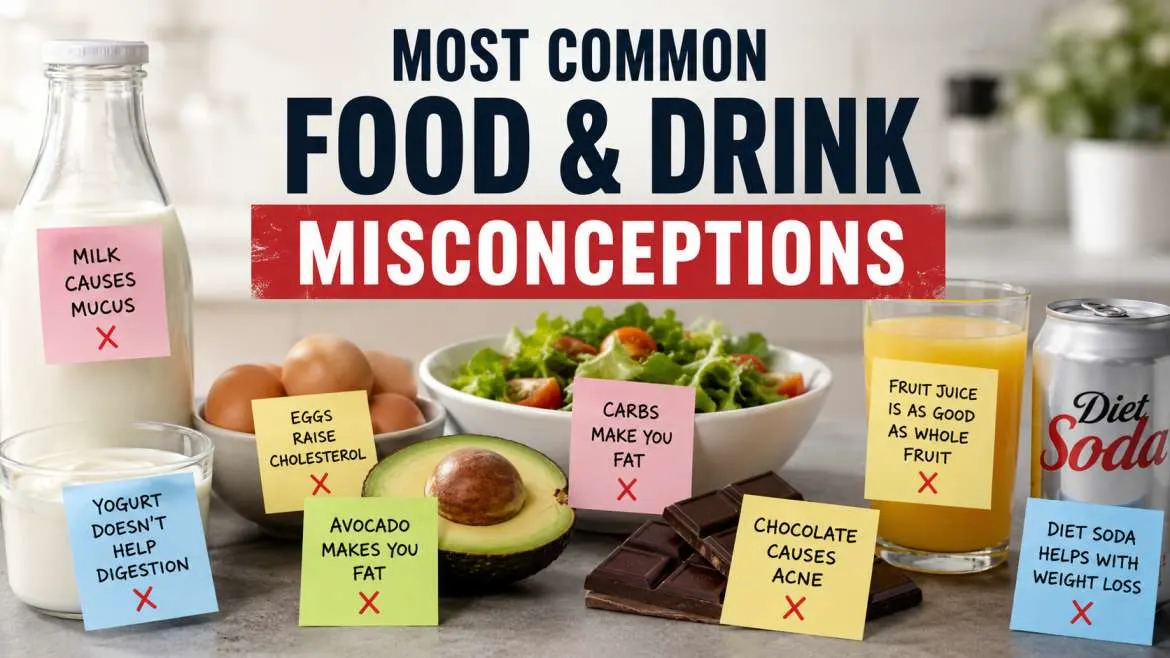
Some ideas repeat so often that we start thinking they’re true, especially with food involved. But quite a bit of culinary misinformation floats around that can potentially mess up your supper. Want to sort the myths from what’s actually, correct? To set the record straight, we’ve basically called out a handful of the most common foodie misconceptions and debunked them for good.
You may also read :- Ultimate Chocolate Sweet Treats: Rich & Fudgy Dessert Ideas
Strawberries are berries
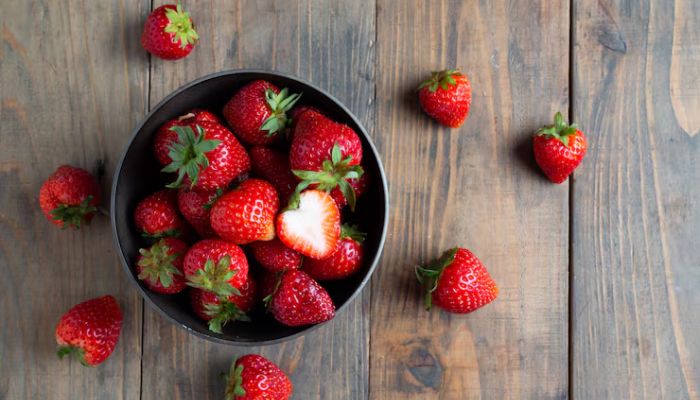
Even though strawberries have the word “berry” right there in the name, those juicy red things aren’t berries at all, or at least not in the strict plant way. Botanists officially label strawberries as aggregate fruit because they form from a flower that has more than one ovary, so it’s kind of a many-part story. The very same idea applies to raspberries too. But then pomegranates, kiwis, and bananas receive the berry label, which somehow makes you pause. Who knew that, honestly?
The five-second rule is a thing
Everyone knows that five-second rule: if food has been on the floor less than five seconds, it’s safe to eat. But is that really true? Well, yeah and no. Food that drops on the floor will definitely grab some bacteria, yet the variables, like the type of snack, the kind of floor and the overall location will all shift how much harmful bacteria it takes on. So, use your common sense, and also realize that foodborne illnesses are a very real hazard.
Canned food is less nutritious
People sometimes look down a bit on canned food, but honestly it can be packed with a lot of goodness or “solid” nutritions. In 2015, the journal Nutrients published a study saying that people who ate more than six canned food items a week had higher intakes of 17 essential nutrients, like potassium, calcium and fibre, compared with folks who ate fewer than two canned food items over that same stretch. The only thing to be careful about is this, some heat-sensitive nutrients, for example vitamin C and folate, can get knocked around during the canning process.
Spinach is the ultimate iron powerhouse
According to scientist Samuel Arbesman, a mathematical mishap caused the common misconception that spinach is loaded with iron. Arbes’s man reported that in 1870, German chemist Erich von Wolf mistakenly recorded 3.5 milligrams of iron in a 100g serving of spinach as 35 milligrams – without the decimal point. But while we've overestimated the quantity of iron for a long time, the leafy green is still a decent source of the mineral.
Your 'five a day' is based on hard science
The World Health Organization (WHO) tells us that we should always eat at least 14oz (400g) of non-starchy fruit and vegetables every day. That’s basically the same as five 2.8oz (80g) servings of fruit and veg. But honestly, this idea is not grounded in evidence-based science, and it is more like a doable guideline for a healthy life, rather than some hard proof. A lot of nutritionists recommend eating more than five portions too, so you get the best kind of benefits really.
Broccoli contains more protein than steak
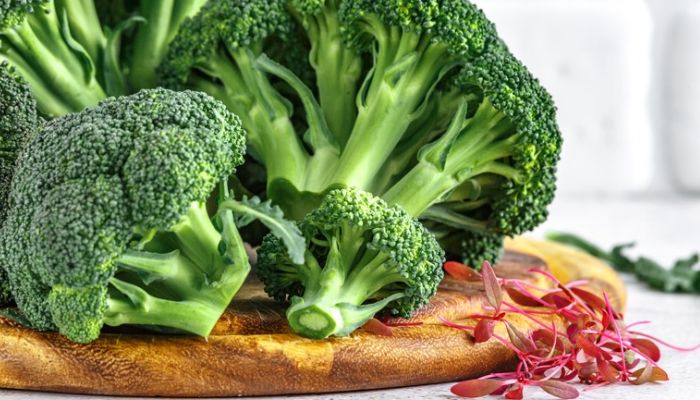
Sorry, broccoli lovers, but this isn’t totally true, it’s the opposite situation. For a vegetable, broccoli does have a high protein amount, but you would need to eat a serious, kind of enormous portion to get the same protein boost a steak would give. Now, broccoli is still a very healthy ingredient to put in your meals, absolutely. If you’re following a plant-based diet, then there are a lot of other routes to grab that protein fix too, like eating lentils, quinoa, and spinach, all good options.
Keeping the pit in an avocado will prevent it from browning
You really do not have to add an avocado pit into your bowl of delicious guacamole—no matter what you’ve heard, it will not stop your dip from going brown. If you want to keep your guac from becoming murky, you actually have a couple of simple ways: you can wrap the whole thing in cling film so oxygen doesn’t get a chance to touch the surface, or you can pour in a bit of acidic lemon juice or lime juice, which helps slow the enzyme that leads to that brown colour.
If a soup is too salty, you should add a peeled raw potato
Potatoes are a nifty ingredient that can perk up plenty of dishes – but unfortunately, they can't selectively soak up salt if you've accidentally used too much. Research shows that adding a potato to soup may absorb some of the salt, but it will also absorb liquid, meaning the salt concentration will remain almost the same. It's always better to season and taste on the go.
Frequently Asked Questions
1. Hang on, so that five-second rule is total nonsense?
Pretty much, yeah. I know it hurts to hear. The moment food touches a surface, bacteria can transfer. It’s not about time; it’s about moisture and the type of floor. A wet piece of fruit is a magnet for germs compared to a dry cracker. My advice? Don't test your luck.
2. Wait, did I read that right—canned food can actually be better for you?
In some ways, yes! Shocking, right? The study we mentioned found that people eating canned goods got more of certain nutrients. The catch is to watch out for added sugar or salt in some products. But nutritionally speaking, canned beans or tomatoes are absolute pantry heroes. Don't snub them.
3. If a potato doesn't fix salty soup, what actually works?
Honestly? Dilution is your only real friend here. Throw in some more broth (low-sodium), extra veggies, or a splash of cream. The potato trick is a myth because it can't selectively suck out just the salt—it takes water too, which keeps everything proportional. Just a heads up for next time you're heavy-handed with the shaker.
4. So, what's the deal with avocado pits? Waste of time?
Total waste of time. I’ve seen people drop those giant pits into their guac bowl like it's a magic wand. It doesn't do a thing. The browning is an oxidation reaction with oxygen. Cover your dip tightly with plastic wrap so the surface is sealed, or squeeze some lime over it. The acid actually slows down that enzymatic reaction.
5. Should I still eat spinach even though the iron thing was a mistake?
Absolutely! It's still a great leafy green with plenty of vitamins. Just don't expect it to pump you up like Popeye. It's got iron, sure, but you'd need a giant pile to get a significant amount. Pair it with vitamin C (like lemon juice) to help absorb what is there, though. That part is actually true!